

Bob Hall didn’t just shape adaptive sports — he shaped the people who lived it.
A legend is gone, but a legacy like this doesn’t fade.
When I heard the news of Bob Hall’s passing, shared by Bob Molinatti and Mike Trujillo, it landed heavy. The timing made it even more poignant. Sports N Spokes (SNS) recognized the 50th anniversary of his Boston Marathon milestone in the July 2025 issue — a reminder that even decades later, his impact is still unfolding. Now, in his absence, that impact feels even more personal.
Some people influence your path. Others change it. Bob was one of those rare few for me.
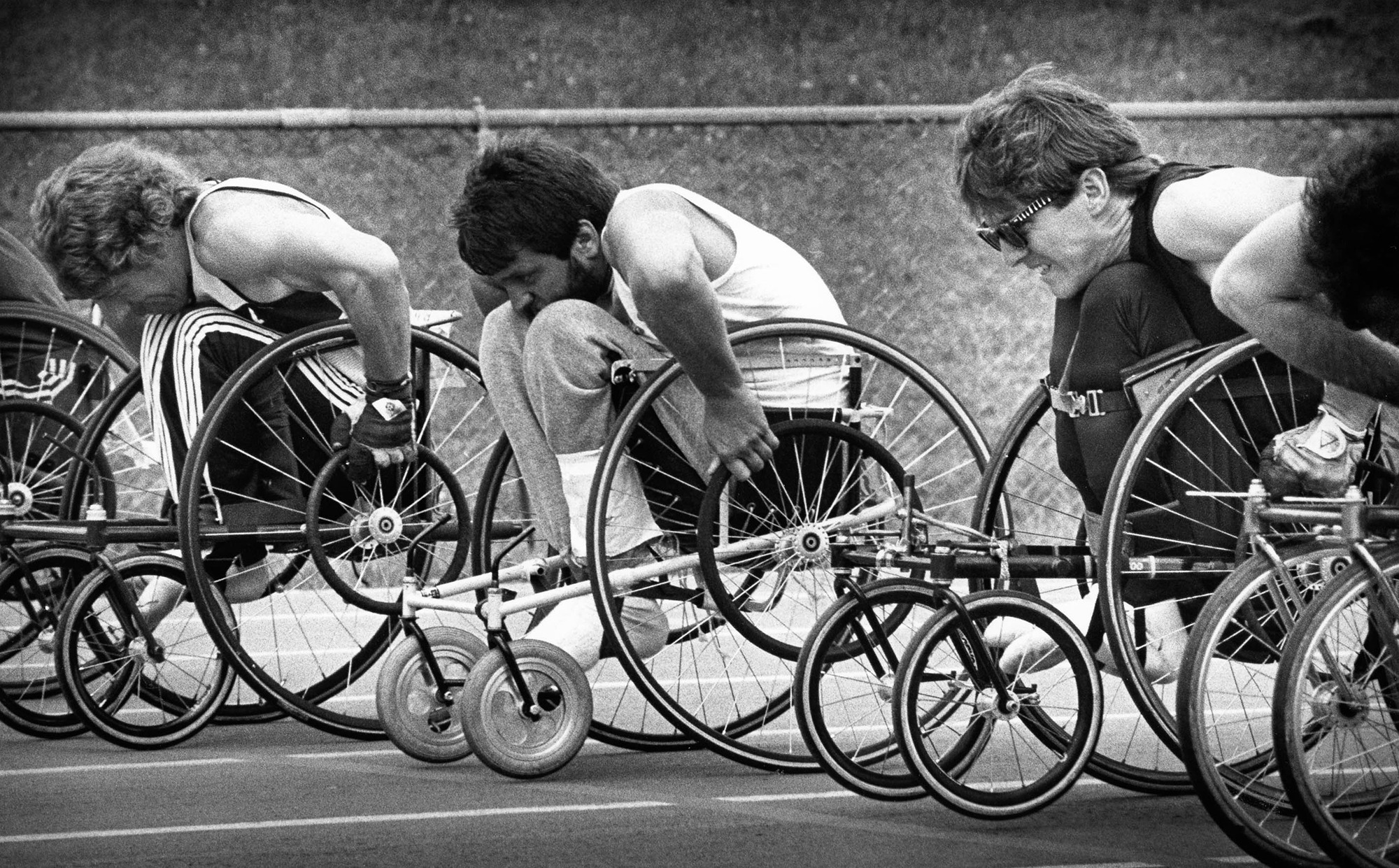
I keep going back to 1996, to a Paralympic Games track and field qualifier at the Massachusetts Institute of Technology. If you’ve ever been in that position, you know the feeling — everything you’ve worked for comes down to a moment. And then, just like that, mine unraveled. My racing wheelchair — built by Fortress for David Bailey — broke at exactly the wrong time. The track compensator snapped. I was stuck, frustrated, watching something I’d poured everything into slip away.
Then fellow wheelchair racer Carlos Moleda stepped in.
He got me to Bob’s shop just a few miles away. And Bob? He didn’t hesitate. He didn’t overthink it. He just fixed it. No fuss, no ego — just skill, generosity and a quiet understanding of what was at stake.
Because of that moment, I made the Paralympics.
It’s hard to fully explain what that means. Not just the outcome, but the fact that someone showed up when it mattered most.
That was Bob.
Years later, I needed a monoski while I was in Durango, Colo. I remembered reading in SNS about one he built and reached out. True to form, Bob made it happen. Two weeks later, I had a custom-built ski in my hands. No shortcuts. No delays. Just belief in possibility.
I used that monoski from 1997 to now. It’s still in Durango, still being used by adaptive skiers.
Think about that — decades of movement, freedom and independence, all traced back to one person’s willingness to create something that didn’t exist yet.
As a quadriplegic who can monoski because of Bob’s innovation, I don’t take that lightly. His work didn’t just support adaptive sports — it expanded what we believed was possible within it.
Bob didn’t just build equipment.
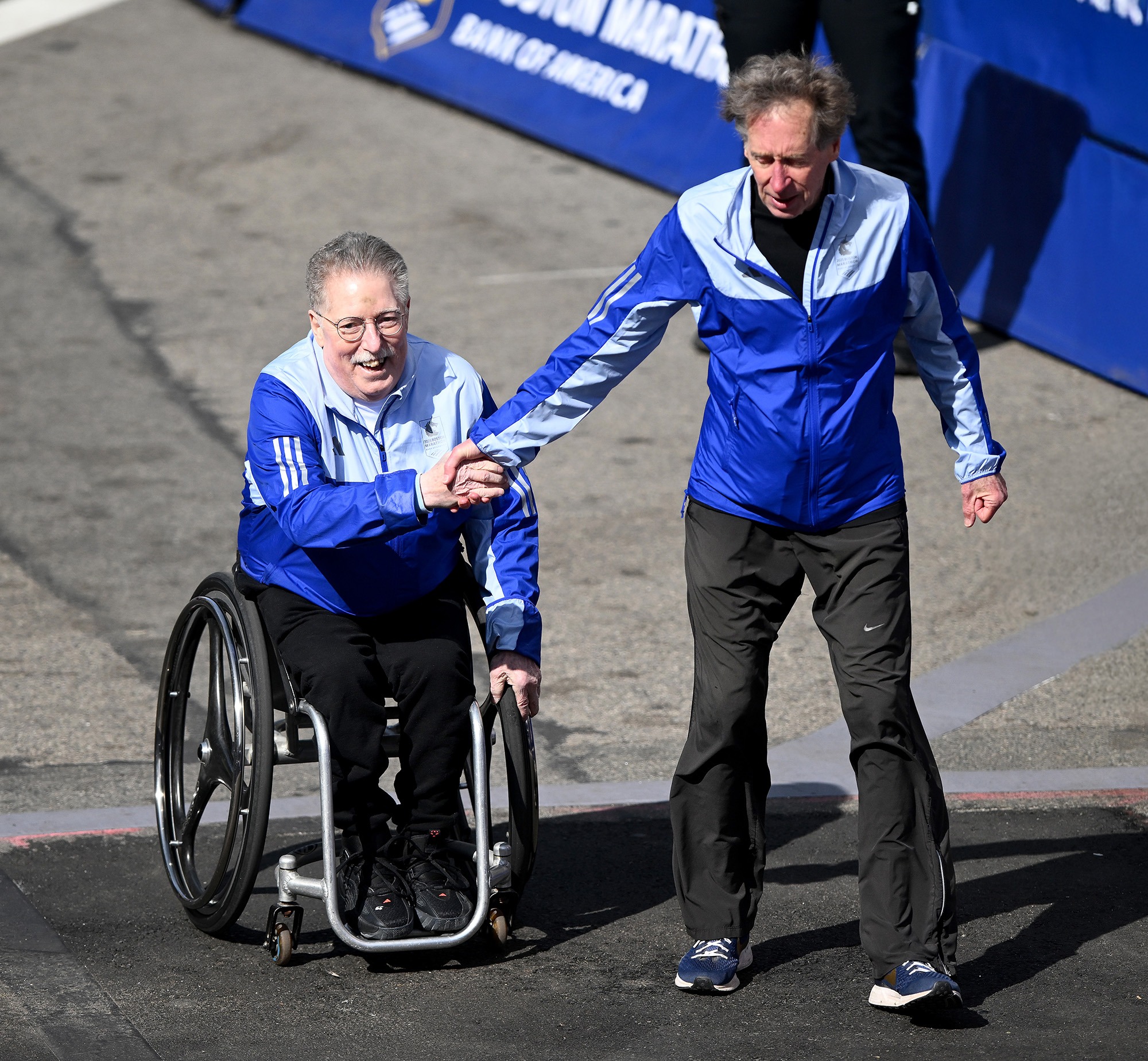
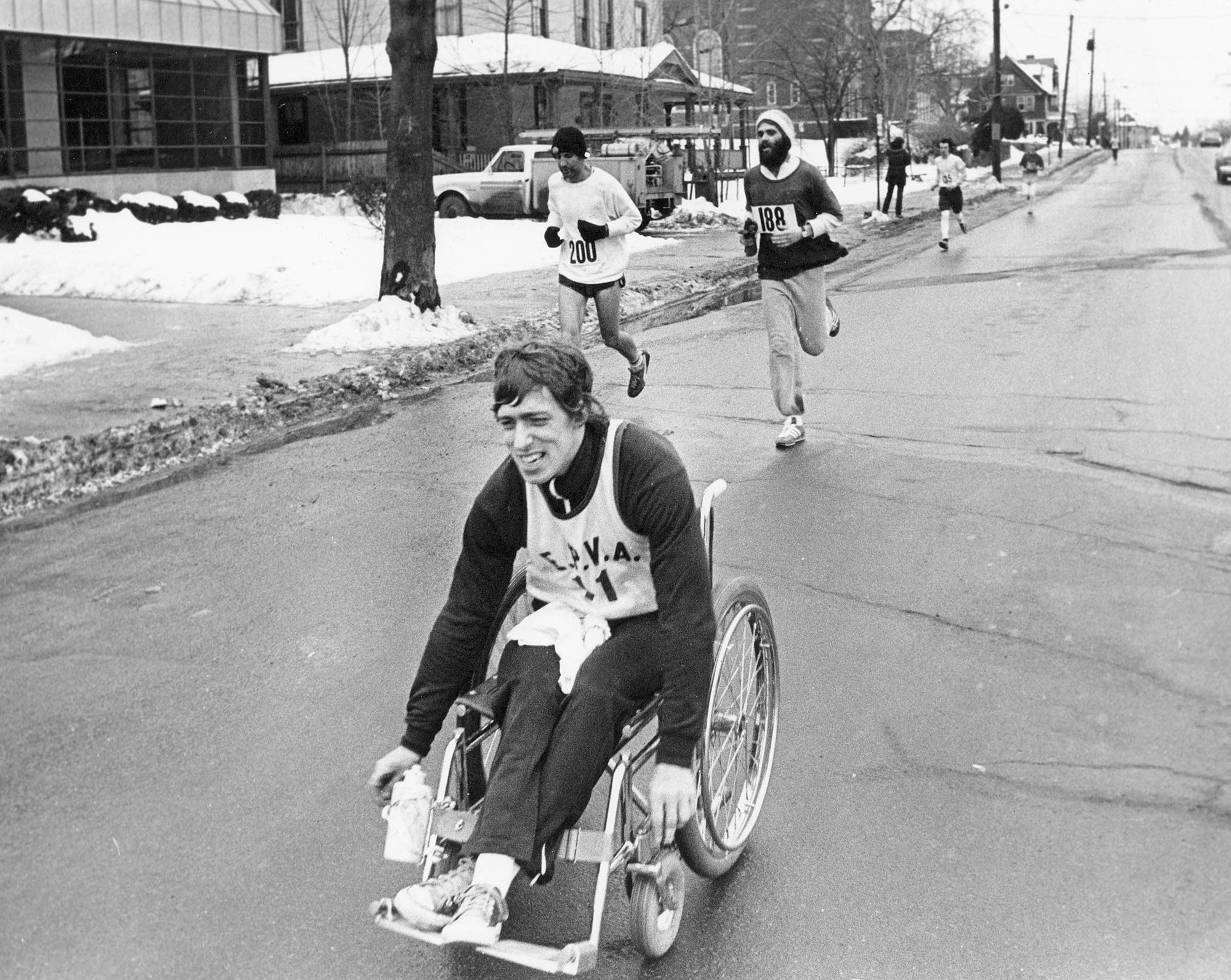
When I competed as a wheelchair racer in the 101st running of the Boston Marathon in 1997, I witnessed firsthand how Bob impacted not only the race, but those who were competing. On that momentous day, it was apparent that Bob was large and in charge.
He built access, opportunity and belief.
And for those of us lucky enough to know him, to rely on him or to be lifted by his work, his legacy isn’t just something we remember. It’s something we live.
Read our article from the July 2025 Sports N Spokes.