

Team USA delivered a strong performance at this year’s Paralympics in Italy. For many of us, the impact is immediate and unmistakable: pride, visibility and confirmation that our investment in adaptive sports is making a difference.
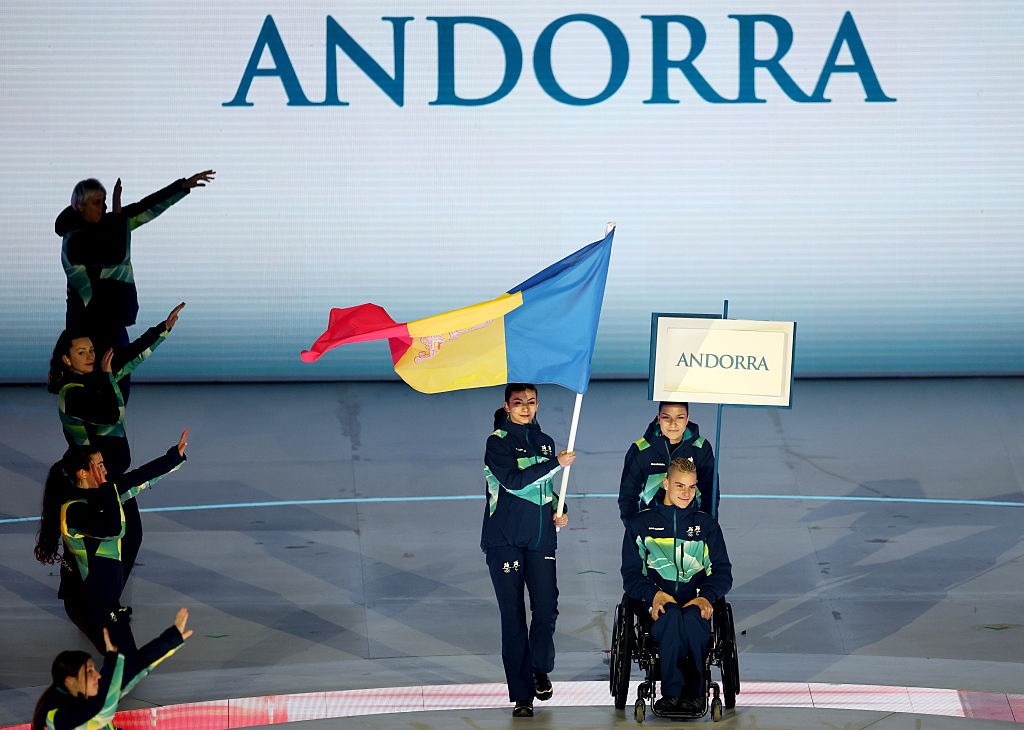
But beyond the medal count lies a more important question: What do the Paralympics represent for countries just beginning their journey? Some nations, including El Salvador, Haiti, Montenegro, North Macedonia and Portugal, are attending the Winter Paralympic Games for the first time. Others, such as Armenia, Bulgaria, Serbia and Uzbekistan, are sending athletes despite limited funding, infrastructure and support systems that wealthier nations often take for granted. For these countries, the Games are not just about medals or national pride.
When I first rolled onto the track 30 years ago at the Summer Games, I understood that I was competing for more than a podium finish. I was confronting a subtle but persistent assumption that someone like me, a person with a disability, belonged on the sidelines instead of the starting line. Crossing the finish line mattered, but challenging that assumption mattered much more.
Years later, as editor-in-chief at Sports N Spokes, I still see that same struggle playing out across the globe. Today, the stakes extend far beyond any single competition. In many countries, the fight is not about winning medals. It’s about access to transportation, education, health care and employment. That is why the Paralympic Games carry such significance.
Globally, an estimated 1.3 billion people live with a disability, according to the World Health Organization. Most reside in places where accessible infrastructure is scarce and rehabilitation services are limited. Disability and poverty often reinforce each other. Inadequate health care can lead to a disability, while a disability can make it harder to earn a living. For millions, the barriers are not only physical; they are also social, economic and political.
The Paralympics challenge these barriers, even if only for a moment. On this global stage, audiences see strength instead of weakness and discipline instead of dependence. Every two years, the world is reminded that disability does not equal inability, and those moments can lead to meaningful change.
In Rio de Janeiro in 2016, the Games helped drive improvements in public accessibility, from ramps to transportation systems, and sparked a long overdue national conversation. In India during Tokyo 2021, athletes like Avani Lekhara (a rifle shooter) and Sumit Antil (a javelin thrower) became national heroes almost overnight. Their success raised an uncomfortable but necessary question: If athletes with disabilities can perform at the highest level, why do millions still struggle to access basic education, transportation and employment? Visibility creates pressure, and para athletes understand how powerful that pressure can be.
As always, share your thoughts with me at al@pvamag.com.